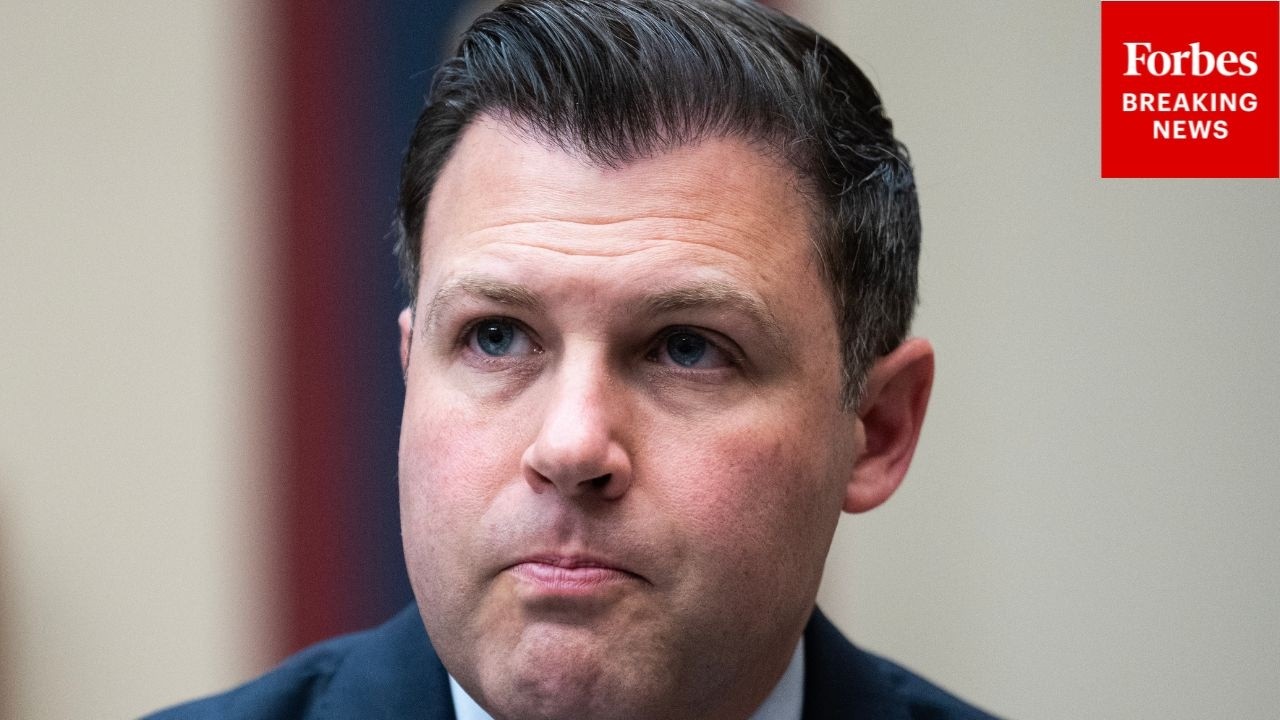
In a groundbreaking House Education and Workforce Committee hearing led by Congressman Ryan Mackenzie, lawmakers delved urgently into how artificial intelligence is transforming workplace safety across America, balancing innovation against risks like privacy breaches and over-reliance on tech. Witnesses highlighted AI’s potential to prevent accidents through predictive tools, but raised alarms over unchecked surveillance and the need for human oversight to avoid deadly errors. This session underscores a pivotal moment for policy, as AI reshapes industries from transportation to construction, potentially saving lives or sparking new hazards if not regulated swiftly.
The hearing kicked off with Mackenzie emphasizing AI’s shift from reactive to preventive safety measures, citing wearable sensors that detect heat stress or hazardous exposures before disasters strike. He stressed the immense benefits: fewer injuries, better worker retention, and stronger economies, while cautioning against delegating ultimate safety to machines. Experts agreed that AI could revolutionize high-risk jobs, but only with proper safeguards to ensure trust and effectiveness.
Ranking Member Ilhan Omar countered with a stark warning, pointing to real-world abuses like invasive monitoring at Amazon warehouses, where pressured workers face higher injury rates due to algorithmic quotas. She argued for government intervention, citing the Trump-era rollbacks that favored big tech over worker protections, and urged stronger funding for agencies like OSHA to enforce ethical AI use.
Witness Johan Land from Samsara shared compelling data on AI’s impact, revealing a 37% crash reduction in fleets using their technology, alongside drops in distracted driving. He described how sensors and video analysis provide real-time alerts, turning data into lifesaving actions for drivers and ground crews, yet emphasized the necessity of human involvement to avoid misuse.
Eric Hopland, representing wholesale distributors, outlined how AI enhances safety in diverse warehouses through environmental scanning and predictive analytics, preventing equipment failures and ergonomic strains. He advocated for flexible regulations that empower local leaders, warning that overly burdensome rules could stifle adoption among small businesses, ultimately hindering safety advancements.
Douglas Parker, a former OSHA head, delivered a sobering testimony, warning that AI tools often prioritize behavior modification over hazard elimination, potentially introducing mental health risks from constant surveillance. He called for “prevention by design,“ including risk assessments and worker involvement, to ensure technology doesn’t exacerbate dangers like those seen in algorithmic management systems.
Jeff Bukowitz from the Mason Contractors Association praised AI innovations like job-site monitoring tools that verify safety compliance in real time, helping extend careers in physically demanding fields. He urged bipartisan collaboration to promote responsible tech use, focusing on productivity gains without punishing workers, and highlighted how such tools could address the construction industry’s looming workforce shortages.
During questioning, committee members probed deeper into AI’s practical challenges. Republicans like Chairman Foxx emphasized benefits for retention and efficiency, while Democrats, including Omar, pressed on privacy violations, citing examples of unwarranted monitoring that could expose personal calls or health data. Witnesses reiterated that ethical implementation, with humans in the loop, is essential to mitigate these threats.
One tense exchange involved AI in trucking, where concerns arose about continuous recording potentially invading drivers’ privacy. Land defended the technology’s safety focus, noting it’s configurable and rare for misuse, but acknowledged the need for strict guidelines. This highlighted the broader debate: AI as a double-edged sword that could either protect or exploit workers.
As the hearing progressed, lawmakers explored legislative options, including bills to safeguard warehouse workers and app-based employees. The discussion extended to AI’s environmental footprint, with Omar noting the strain on infrastructure from data centers, calling for transparency and community benefits to ensure equitable progress.
The witnesses’ testimonies painted a vivid picture of AI’s dual potential: slashing accidents in high-stakes environments while risking new vulnerabilities if deployed carelessly. Land’s examples of real-world successes, like improved driver retention at DHL, contrasted with Parker’s warnings of psychosocial harms, urging a balanced approach.
In closing remarks, Omar stressed the urgency of proactive policies to prevent AI from worsening inequalities, advocating for fully funded safety agencies. Mackenzie echoed the need for collaboration, viewing AI as a tool to enhance American competitiveness without compromising lives. This hearing marks a critical juncture, as Congress weighs how to harness AI’s power responsibly.
The implications ripple far beyond Capitol Hill, affecting millions of workers in transportation, construction, and logistics. With AI already embedded in daily operations, the call for immediate action grows louder, as policymakers race to craft safeguards that foster innovation without sacrificing human welfare. This event signals that the future of work hinges on these decisions, demanding vigilance to protect those on the front lines.
Experts warn that without swift reforms, the rush to adopt AI could lead to irreversible errors, from privacy breaches to fatal oversights in hazardous jobs. As debates continue, the pressure mounts for Congress to act, ensuring AI serves as a guardian rather than a threat in American workplaces. This breaking development highlights the high stakes, where every delay could mean more lives at risk.
In the end, the hearing revealed a consensus: AI holds transformative promise for safety, but only through ethical, regulated integration. Stakeholders must collaborate to build a framework that prioritizes workers’ rights, fostering an era where technology amplifies human capabilities without overshadowing them. As this story unfolds, the world watches how the U.S. navigates this technological frontier, setting precedents for global standards.
The urgency of these discussions cannot be overstated, with potential policy shifts poised to reshape industries overnight. Witnesses’ insights provided a roadmap, blending optimism with caution, as lawmakers pledge to move forward with bipartisan efforts. This hearing isn’t just about AI—it’s about securing a safer, more equitable future for all American workers.