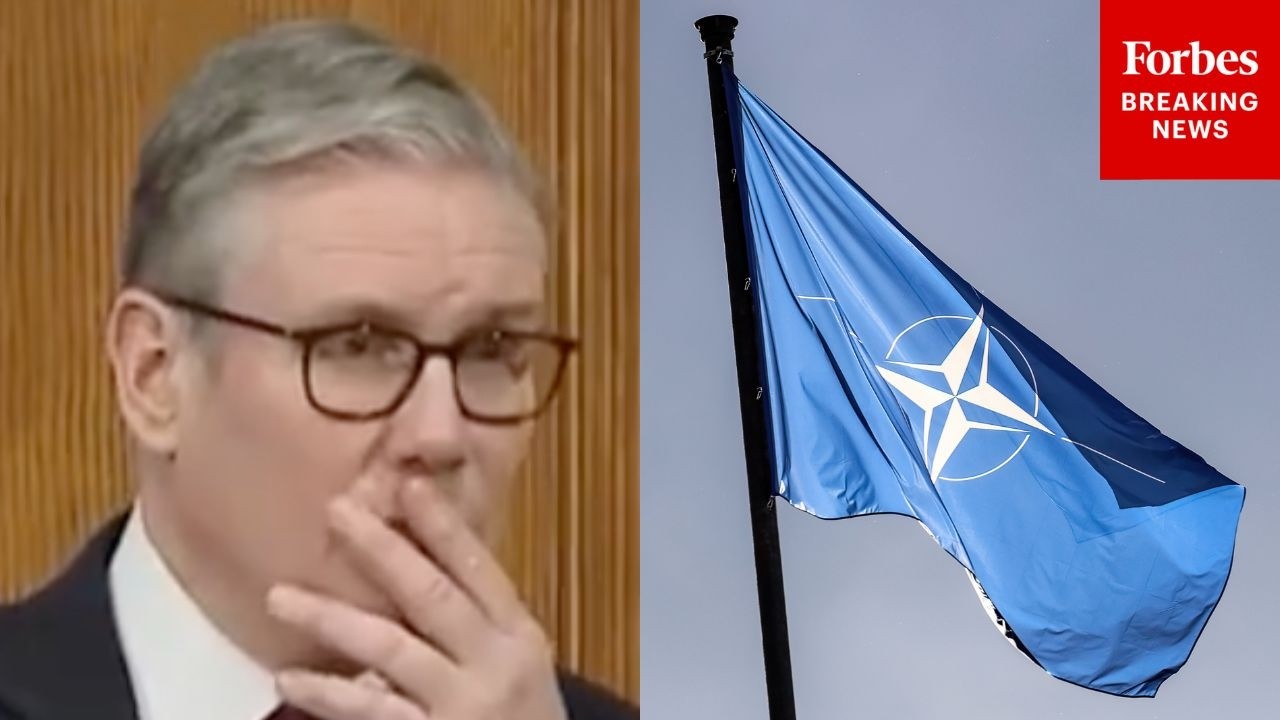
In a tense exchange at a high-stakes press briefing, UK Prime Minister Keir Starmer faced pointed questions from a reporter about the risks of NATO’s collapse amid escalating Iran tensions. Starmer downplayed concerns, stressing that any response to threats in the Straits of Hormuz would involve a coalition of partners, not a NATO-led operation, as alliances navigate fragile global dynamics.
The inquiry from Millie Cook of the Independent zeroed in on recent warnings from US President Donald Trump, who has threatened dire consequences for NATO if allies fail to bolster forces in the volatile Straits of Hormuz. Cook referenced Pat McFadden’s dismissal of Trump’s rhetoric as mere posturing, probing Starmer on whether he shared those views amid growing fears of a wider conflict. Starmer’s response was measured yet firm, underscoring the urgency of international cooperation without directly endorsing the characterization of Trump’s statements.
Starmer outlined a strategy focused on rebuilding safe passage through the Straits, a critical chokepoint for global oil shipments, which has been disrupted by Iranian actions. He emphasized that no one envisions a NATO-exclusive mission, instead advocating for a broader alliance including European nations, Gulf states, and the United States. This approach, he argued, reflects the complexities of past conflicts in the region and the need for unified action to prevent escalation.
The Prime Minister’s comments come at a pivotal moment, as tensions between Iran and Western powers intensify, raising alarms about the stability of global alliances. Starmer revealed ongoing discussions with Trump and other leaders, highlighting constant communication to forge a cohesive plan. His remarks signal a cautious path forward, prioritizing diplomacy over confrontation in the face of potential NATO fractures.
Experts are watching closely, as Starmer’s stance could influence how other nations respond to Iran’s provocations. The Straits of Hormuz, a narrow waterway handling about 20% of the world’s oil, has long been a flashpoint, with historical incidents underscoring the risks of broader instability. Starmer’s rejection of a NATO-centric role aims to avoid alienating key partners, but it also exposes divisions within the alliance.
In his full response, Starmer reiterated that working with the US and European allies is essential, describing the situation as “not straightforward.“ He pointed to yesterday’s conversation with Trump as productive, emphasizing the need to pull together resources from multiple fronts. This diplomatic maneuvering underscores the high stakes, where missteps could unravel decades of transatlantic security cooperation.
The backdrop to this exchange is a series of escalations, including Iranian seizures of vessels and US warnings of retaliation. Trump’s comments have added fuel to the fire, suggesting that non-committal allies might face isolation within NATO. Starmer’s careful wording seeks to balance solidarity with the US while protecting UK interests, a delicate act in an era of shifting global power dynamics.
As the world holds its breath, Starmer’s position highlights the broader challenges facing international bodies like NATO. Formed in the post-World War II era, the alliance has weathered numerous crises, but the Iran situation tests its resilience like never before. With economic repercussions looming, from soaring oil prices to supply chain disruptions, the urgency of a coordinated response cannot be overstated.
Starmer’s remarks also touch on the evolving nature of alliances, where traditional structures must adapt to modern threats. By advocating for a “partnership of partners,“ he signals a pragmatic shift, potentially setting a precedent for future conflicts. This approach could strengthen ties with Gulf nations, which have their own stakes in regional security, while mitigating risks of direct confrontation.
The reporter’s question, delivered with palpable intensity, captured the global anxiety surrounding Iran’s actions. As Cook pressed for clarity, Starmer maintained a composed demeanor, avoiding inflammatory language that might exacerbate tensions. His response was a masterclass in diplomatic deflection, focusing on solutions rather than alarmism.
In the wider context, this episode reflects the intricate web of geopolitics, where every statement carries weight. NATO’s future, as Starmer implied, hinges on collective resolve, not unilateral decisions. The alliance’s 30 member states must navigate internal disagreements, from defense spending disputes to strategic priorities, all while confronting external adversaries.
Observers note that Starmer’s comments could resonate in upcoming international forums, where leaders will debate responses to Iran. The Prime Minister’s emphasis on dialogue with the US at “all levels“ suggests a commitment to de-escalation, even as pressures mount. This moment marks a critical juncture, with the potential to either fortify global partnerships or expose their vulnerabilities.
The Straits of Hormuz crisis has already sparked market volatility, with oil prices surging on fears of prolonged disruptions. Starmer’s assurance of a collaborative plan offers a glimmer of hope, but it also underscores the complexity involved in assembling such a coalition. Nations in the Gulf, wary of Iranian influence, are key to any effective strategy, adding layers of negotiation.
As details emerge from diplomatic channels, the world awaits further developments. Starmer’s interview with the Independent has thrust these issues into the spotlight, compelling leaders to act swiftly. The urgency is palpable, with every hour bringing new risks in a region teetering on the edge of chaos.
In parallel, European allies are ramping up their own assessments, coordinating with the UK to avoid a NATO breakdown. Starmer’s perspective aligns with broader EU efforts to maintain stability, even as internal divisions persist. This synchronized approach could prove decisive in averting a larger catastrophe.
The reporter’s follow-up questions hinted at deeper concerns, probing whether Trump’s rhetoric might foreshadow real fractures. Starmer’s rebuttal, framing it as part of ongoing dialogue, aimed to downplay the immediacy of a collapse. Yet, the exchange laid bare the fragility of international relations in an increasingly multipolar world.
As the story unfolds, the implications for global security are profound. Starmer’s leadership in this crisis will be scrutinized, with his responses shaping perceptions of the UK’s role on the world stage. The path ahead is fraught with uncertainty, demanding vigilance and resolve from all quarters.
In closing, this breaking development serves as a stark reminder of the interconnected threats facing the modern era. With Starmer at the helm of Britain’s foreign policy, the focus remains on unity and strategic action to safeguard peace in the Straits and beyond. The world watches, hoping for a resolution that preserves the foundations of collective defense.