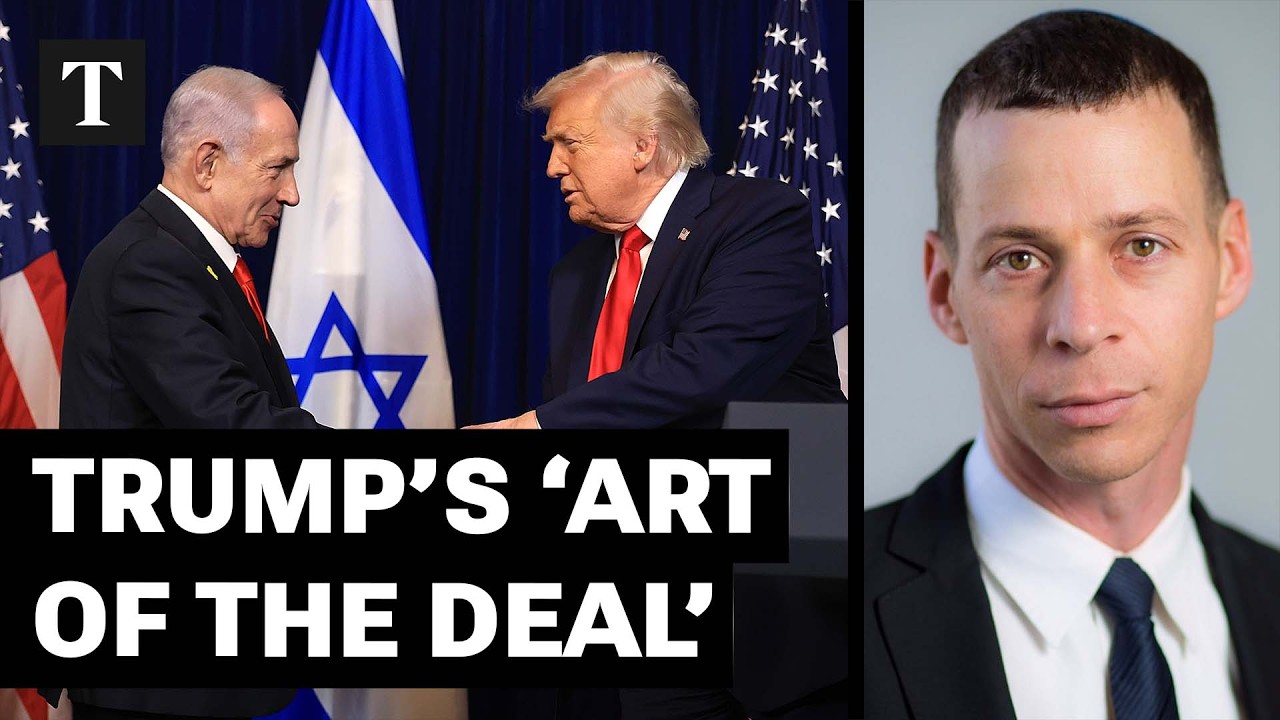
In a dramatic escalation of Middle East tensions, President Donald Trump is advocating his “Art of the Deal“ strategy for negotiations with Iran, while Israeli Prime Minister Benjamin Netanyahu insists on ramping up military force to confront Tehran. US troops from the 82nd Airborne Division and Marines are deploying rapidly, signaling potential conflict amid ongoing diplomatic efforts, as experts warn of a precarious standoff that could ignite at any moment.
This breaking development underscores a widening rift between Washington and Jerusalem over Iran strategy, with Trump’s preference for deal-making clashing head-on with Netanyahu’s call for unyielding pressure. Retired British Army officer Major General Tim Cross, a logistics expert, described the troop movements as a high-stakes gamble, noting that the 82nd Airborne’s deployment—potentially involving parachute or rapid ground insertions—could pressure Iran into talks or provoke retaliation.
Cross, drawing from his experience in past Gulf Wars, emphasized that these forces, while formidable, are limited in scale. “They’re not enough for a full-scale invasion of Iran’s vast territory,“ he explained in a recent interview, highlighting how similar deployments in history, like those in Kosovo or the first Gulf War, aimed to coerce adversaries but often fell short. With US Marines already at sea, ready to launch beach assaults or secure strategic islands like Abu Musa, the stage is set for a volatile showdown.
Iran’s response has been defiant, with Parliament Speaker Muhammad Baqer Qalibaf issuing stark warnings that any enemy incursion, such as an occupation of Iranian islands, would trigger “relentless attacks“ on regional allies supporting the US. This rhetoric intensifies as American forces edge closer, potentially basing in Qatar, the UAE, or Kuwait, raising alarms about broader regional instability and the risk of miscalculation.
Amit Segal, chief political analyst for Israel’s N12 News, provided insight into Netanyahu’s stance, revealing that while Israel aligns with Trump’s goals, it favors aggressive military action over diplomacy. “Netanyahu has lobbied US presidents for years to confront Iran, and Trump has delivered like no other,“ Segal said, referencing recent joint operations that have degraded Iranian capabilities but left the regime intact.
The deployment comes as peace talks falter, with the White House claiming progress on a 15-point proposal, even as Iran denies direct negotiations and labels demands excessive. On the ground, Israel’s strikes against Hezbollah in Lebanon—destroying rocket launchers and hitting a power station—escalate the conflict, displacing thousands and straining humanitarian resources in the region.
Experts like Cross caution that signaling troop movements gives Iran time to fortify positions, such as reinforcing islands or positioning missiles, potentially turning negotiations into a trap. “Trump’s approach keeps adversaries off-balance, but it also risks escalation if Iran misreads the intent,“ he noted, underscoring the uncertainty gripping the Middle East.
Meanwhile, Netanyahu’s “cautious pessimism“ reflects Israel’s broader strategy, where military dominance is seen as the only path to neutralize Iran’s fundamentalist regime. Segal added that Israel might join US ground operations if they target key threats, though its focus remains on Lebanon, where IDF actions have secured territory up to the Litani River amid international outcry.
The human cost is mounting, with hundreds dead and thousands displaced in Lebanon, drawing criticism from France and others who fear a humanitarian crisis. Yet, Israeli officials maintain these moves are defensive, responding to Hezbollah’s attacks that have killed civilians and threatened stability.
As Trump weighs his options, the world watches nervously, with the potential for a full-blown war looming large. This delicate balance of diplomacy and force could redefine Middle East dynamics, testing alliances and reshaping global security in the days ahead.
The urgency of this moment cannot be overstated, as US forces continue their advance, and Iran’s threats echo across the region. Analysts warn that without a swift resolution, the powder keg could explode, pulling in more players and escalating into a catastrophe.
In interviews, figures like Cross and Segal highlight the high stakes, with Trump’s deal-making ethos facing off against Netanyahu’s hardline tactics. The result could either forge a fragile peace or unleash chaos, making every hour critical in this unfolding 𝒹𝓇𝒶𝓂𝒶.
Reports from the ground paint a vivid picture of tension, with air defenses active over Tehran and Israeli operations in Lebanon intensifying. The international community calls for restraint, but the momentum toward confrontation builds relentlessly.
This story is far from over, with developments pouring in by the minute. Stay tuned as we track the latest twists in this high-stakes standoff between superpowers and their allies. The path ahead remains uncertain, but one thing is clear: the world is on the brink.