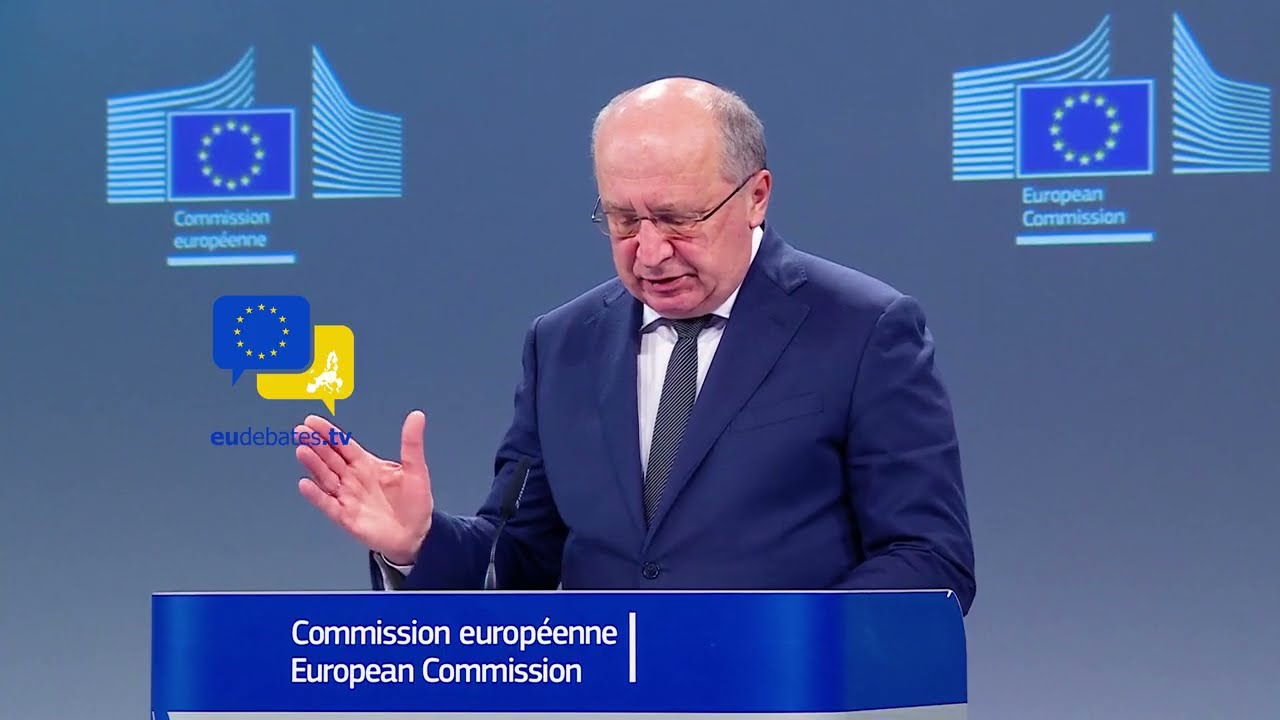
In a groundbreaking speech, EU Commissioner Kubilius has issued an urgent call for a radical overhaul of European defense strategies, declaring that the bloc must adapt swiftly to win future wars through innovative technologies and rapid support for startups. He unveiled the Agile program, a fast-tracked initiative to boost SMEs and disruptors, amid escalating global threats that demand immediate action.
Kubilius’s remarks, delivered with palpable intensity, highlight the dramatic shifts on modern battlefields. Wars are evolving faster than ever, he warned, with militaries needing cutting-edge tech, quick deliveries, and affordable solutions. Currently, 70-80% of EU defense procurement flows to just the top 10 contractors, fostering a culture of slow, expensive development that lags behind adversaries.
This contrasts sharply with the United States, where innovation is more distributed and agile. Kubilius emphasized that Europe’s reliance on established firms results in products that are technologically superior but costly and hard to scale quickly. “We need to be smarter and quicker than our enemies,“ he stated, underscoring the urgency to pivot toward disruptive, low-cost options from SMEs and startups.
The Agile program emerges as a bold response to this crisis. Aimed at accelerating defense readiness, it promises unprecedented speed in EU bureaucracy, with funding decisions in just four months. Grants of 1 to 5 million euros will support European SMEs, including newcomers from defense and civilian sectors, covering up to 100% of project costs for rapid prototyping and production.
What makes Agile revolutionary is its focus on “good enough“ solutions over perfection. Kubilius explained that the program will accept higher risks, relying on self-declarations from applicants to streamline processes. Open to entities in EU member states, Norway, and Ukraine, it targets startups that can scale from idea to industrial production in mere months, delivering technologies for today’s frontlines.
With only 115 million euros available through 2027, drawn from existing EU budgets, Agile is limited but ambitious. Kubilius hopes it will fund around 20 key projects initially, potentially spawning new European defense champions like successful startups that evolve into major players. “If we assist these disruptors, we could transform the landscape,“ he said, envisioning a ripple effect across the continent.
The program’s timeline is aggressive: lead times for new technologies could be as short as six months. This push for speed aims to bridge the gap between yesterday’s defenses and tomorrow’s threats, ensuring Europe can ramp up production instantly. Kubilius stressed that while the EU’s role is catalytic, member states must amplify this effort, potentially scaling Agile nationally.
In the broader context, this initiative aligns with NATO commitments, where member states could invest 50 to 100 times more in defense by 2030. Kubilius urged leaders to view Agile as a symbol of European resolve, a testbed for future funding in the next multi-annual financial framework from 2028. The message is clear: hesitation could leave Europe vulnerable in an increasingly volatile world.
As tensions rise globally, Kubilius’s vision paints a picture of a rearmed EU, where innovation outpaces aggression. Critics might question the program’s modest budget, but its potential to foster a new generation of defense tech could prove pivotal. Europe stands at a crossroads, and this radical shift signals a commitment to not just survive, but dominate the wars of tomorrow.
The implications extend beyond borders. By empowering startups, Agile could spur economic growth alongside security, blending civilian ingenuity with military needs. Kubilius called for unity, warning that fragmented efforts would undermine the EU’s strategic autonomy. This is not mere policy; it’s a clarion call for immediate, collective action.
In detailing the program’s mechanics, Kubilius highlighted its inclusivity, allowing new defense actors from eligible countries to participate if they contribute to EU priorities. The focus on disruptive technologies—such as drones, AI, and rapid manufacturing—could redefine how Europe responds to conflicts, from hybrid warfare to cyber threats.
Yet, the road ahead is fraught with challenges. Bureaucratic hurdles, even with Agile’s reforms, could slow progress, and securing buy-in from all member states remains uncertain. Kubilius acknowledged this, positioning the program as a pilot that, if successful, would demand expansion. “We have one year to prove it works,“ he asserted, urging stakeholders to seize the moment.
This breaking development comes at a time when global instability is at a peak, with conflicts underscoring the need for preparedness. Kubilius’s speech, stripped of diplomatic niceties, delivers a stark warning: adapt or risk obsolescence. As Europe grapples with these realities, the Agile program stands as a beacon of urgency, driving the continent toward a more resilient future.
The EU’s defense transformation, as outlined, represents a seismic shift in priorities. No longer content with reactive measures, leaders are pushing for proactive innovation, blending speed with 𝓈𝓊𝒷𝓈𝓉𝒶𝓃𝒸𝑒. Kubilius’s push for “good enough“ projects challenges traditional norms, prioritizing mass production over elite exclusivity.
In closing, the launch of Agile marks a pivotal chapter in European history. With the world watching, the program’s success could inspire similar initiatives worldwide, reinforcing the EU’s role as a global leader. Kubilius’s rallying cry—“We must win the wars of tomorrow“—resonates as a urgent imperative, compelling action now to safeguard peace and prosperity.